
Stop Landing in Spam! The Complete Guide on How to Send Bulk Emails Without Spamming in 2026
You write an e-mail message that contains a lot of content, and several hours later it is sent. You hit send. And then — silence. No opens or clicks, no replies. Why? Since your email ended up in the Spam Folder. Then you’re in the correct place if you wish to know how to email in bulk without spamming. This guide will show you How to Send Bulk Emails without Spamming, from setup to sending.
What causes bulk e-mail to end up in your Spam Folder?
You can’t fix the problem if you don’t know the problem. Gmail and Outlook are examples of email providers that have smart filters. There are hundreds of signals your email will look for in these filters. If it doesn’t look right, they block your email.
The most common causes for bulk emails to end up in the spam filtre:
Sending to unverified or purchased lists of email addresses
If you are missing email authentication (SPF, DKIM, DMARC) that can cause your email to be marked as spam.
Using spam trigger words, such as Free” or “Buy Now”
If bounce rates are high and there are low opens, you will need to investigate further.
There is no unsubscribe provided in the email.
The 1st Step is to configure email authentication:
This is the most crucial step. This is a must, otherwise nearly all your bulk mails will be classified as spam. Email authentication enables the email service to be certain that you are a legitimate and trusted sender.
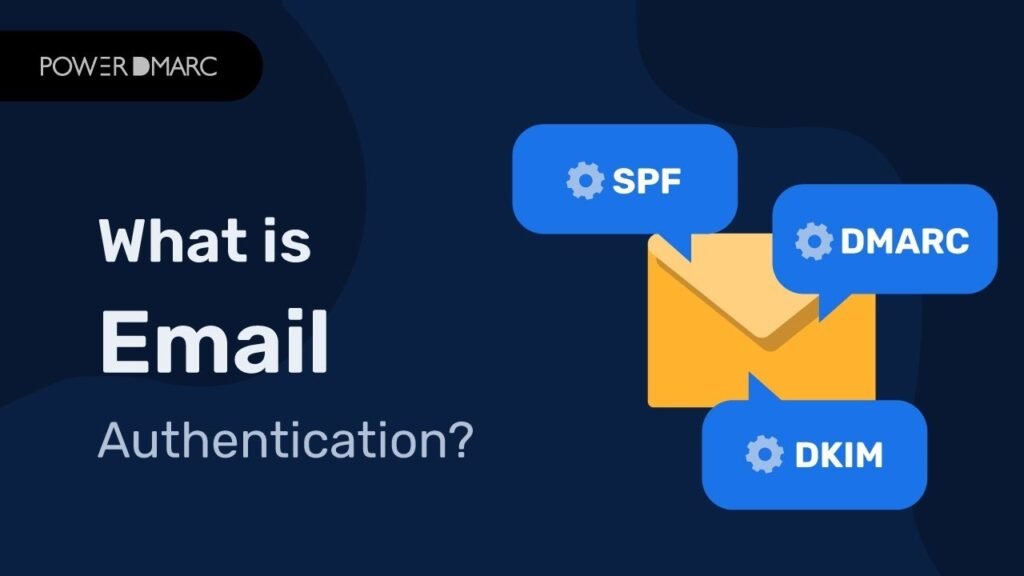
SPF (Sender Policy Framework)
A DNS record that is used to designate the DNS servers that will accept e-mail for your domain name. Set up a SPF record in your domain’s DNS. Your email tool / host should provide you with the exact record to add.
DKIM is an acronym for DomainKeys Identified Mail.DKIM is an acronym for DomainKeys Identified Mail.
DKIM.App provides a virtual signature for your e-mail. This will make sure that the e-mail has not been modified after sending. Enables it to be depended on by means of unsolicited mail filters.
Email Security: DMARC (Domain-based totally Message Authentication)
DMARC is a combination of both SPF and DKIM.
It also communicates to providers what to do if the email doesn’t pass the checks. To start, set DMARC to at least “p=none,” and then to “p=quarantine” or “p=reject” when all is correct.
For good measure, use tools such as MXToolbox or Google Admin Toolbox to verify that your SPF, DKIM and DMARC are properly configured.
The 2nd Step is to create a clean email list:
Don’t purchase email lists. Ever. The addresses on purchased lists are filled with spam traps and invalid addresses, as well as people who don’t want to be contacted. This can rapidly ruin your sender reputation.
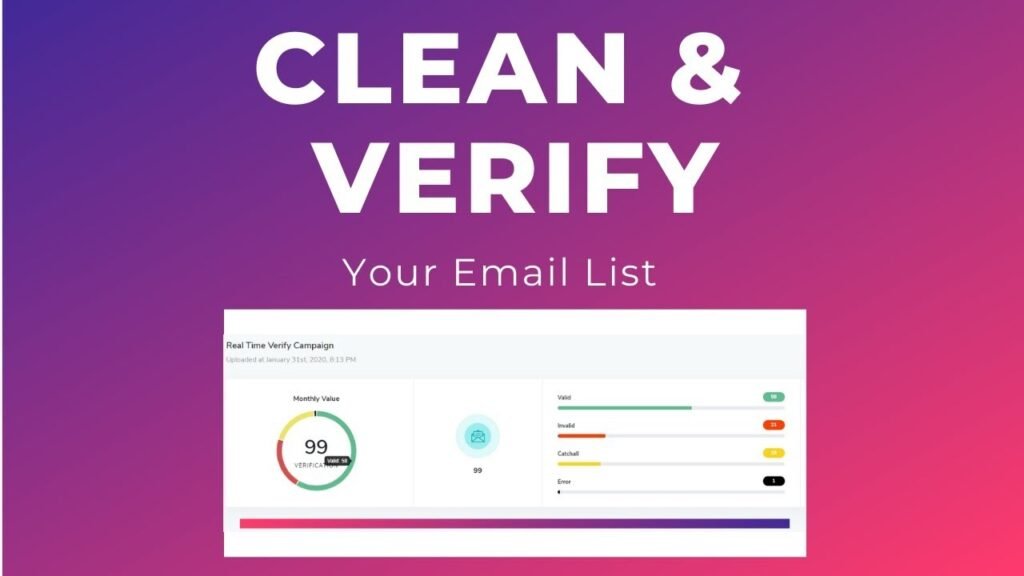
Create your list properly:
Have a double opt-in option on your website.
Provide a freebie (guide, discount, checklist)
Unsubscribe inactive customers on a 3-6 month basis.
Do not send to those who have not registered
The first step to not spamming people with bulk emails is knowing who you’re emailing. A shorter, cleaner list is always better than a long, dirty list.
Now that you have the right perspective into the emails that you are sending.
The 3rd Step is to find the right bulk email tool:
Any email that you send is limited to thousands of emails for Gmail or Outlook. A proper email marketing platform is required. These are best choices for 2026:
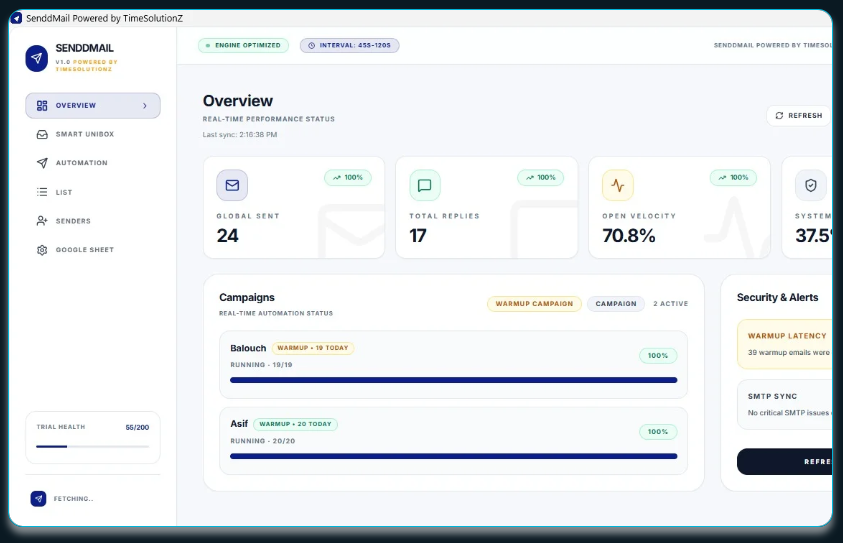
Tool Best For Free Plan Deliverability
SendDmail Freelancers & Agencies 7 Days Trial Outstanding
Mailchimp Beginners Up to 500 contacts Good
Brevo (Sendinblue) Transactional + marketing 300 emails/day Excellent
MailerLite Small businesses Up to 1,000 contacts Very Good
SendGrid Dev & high volume 100 emails/day Excellent
Active Campaign Automation & CRM No (trial only) Excellent
Want other Email Automation Tools Visit Now
In the 4th step, you’ll warm up your email domain:
Don’t email 10000 emails on day one if your domain is new. It’s important to warm up first. Do a little at a time.
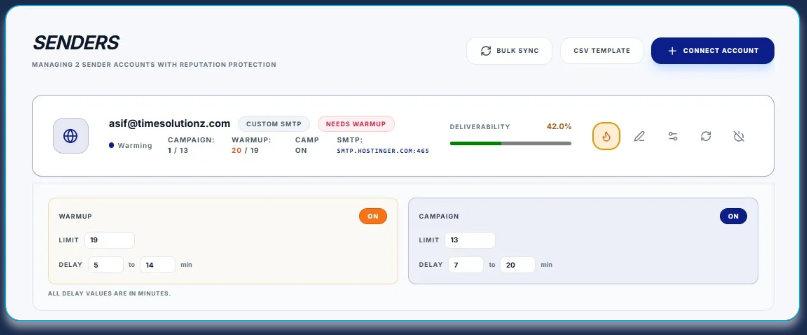
Week 1: Send 50–100 emails per day
Week 2: Increase to 200–500 per day
Week 3-4: to scale up to thousands
This demonstrates that you’re a reliable sender of email. You can use tools such as Lemwarm or Mailreach to perform warm-up automatically.
Step 5 — Write Emails that are Not Spam:
But spam filters can still catch a poorly written post, even with the best set-up. Do’s and don’ts.
Do not use these spam trigger words:
“You won!”, “Congratulations!”, “100% Free”
Click here now, Limited time offer, Act immediately
Using too many capitals or too many exclamation points!!!
The best practices when it comes to email content are:Best practices for email content include:
Limit the length of subject lines to 50 characters.
Use first name to personalise
Include plain text version, as well as HTML
Be sure to provide a clear unsubscribe link.
Use an appropriate image-to-text ratio (do not use too many pictures)
Step 6 — Track Your Sender Reputation:
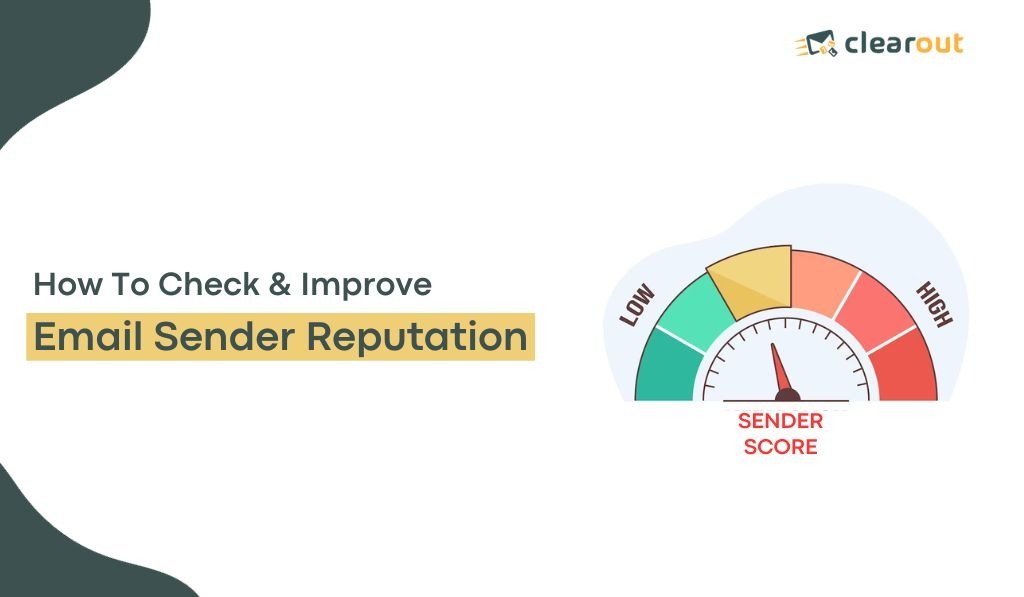
Another aspect of learning to send bulk emails without spamming is to monitor the numbers. The following are measurements that should be taken on a regular basis:
Bounce rate – Less than 2% is good.
Spam complaint rate: < 0.1%
The open rate is influenced by the industry and should be 20%-40%.
The unsubscribe rate should not exceed 0.5%.
Check your domain reputation directly in Gmail with Google Postmaster Tools (free). If reputation is poor, correct it before further sending emails.
Follow Legal Rules Step 7:
Bulk email is subject to the laws of most countries. Violations of these legal guidelines may additionally incur excessive fines.
CAN-SPAM Act (USA): Provide the bodily cope with and unsubscribe choice prominently.
GDPR (Europe): Do not send emails to individuals who’ve not expressively consented.
Canada (CASL): Obtain explicit or implied consent earlier than sending
These rules aren’t totally legal duties. They additionally ensure that your sender popularity is taken care of and your emails get delivered to the inbox.
Frequently Asked Questions
Q1: How to e mail in bulk with out being unsolicited mail?
Best practices for sending bulk emails without spamming consist of SPF, DKIM, and DMARC authentication, utilizing a depended on e mail platform, maintaining a easy choose-in e-mail listing, and gradually warming up your area. Be certain to have an unsubscribe link and in no way use phrases on your textual content which might be considered junk mail.
Q2: How many emails can I send without being considered junk mail?
If you very own a new area, start with the aid of sending 50 to one hundred emails an afternoon and gradually boost the amount.
If your domain is established and has a good reputation, then you can send thousands to tens of thousands of emails per day without any spam problems.
Q3: Will purchasing an email list result in spam problems?
Yes. Bounced emails, spam reports, and blacklisting are almost certain with purchased email lists. Never use a pre-made list, or any list that has been purchased.Never purchase or use a pre-made list.
Q4: What can I do to decide if my bulk e-mails are going to the SPAM folder?
There are some of tools that can help you determine your unsolicited mail score, domain reputation, and if your emails are being delivered to the unsolicited mail folder or inbox including Mail Tester (mail-tester.Com), GlockApps, and Google Postmaster Tools.
Conclusion
It’s not that hard to ship out bulk emails that clearly grow to be inside the inbox, just that it takes the best setup, easy lists, and steady tracking. With this know-how now for your hands, you could start to create email marketing campaigns that absolutely work, without being classified a spammer. Optimise your authentication, heat up your domain, create clean content material and spot your deliverability rise. So get started out now, be steady and your emails will by no means once more grow to be inside the spam folder.